

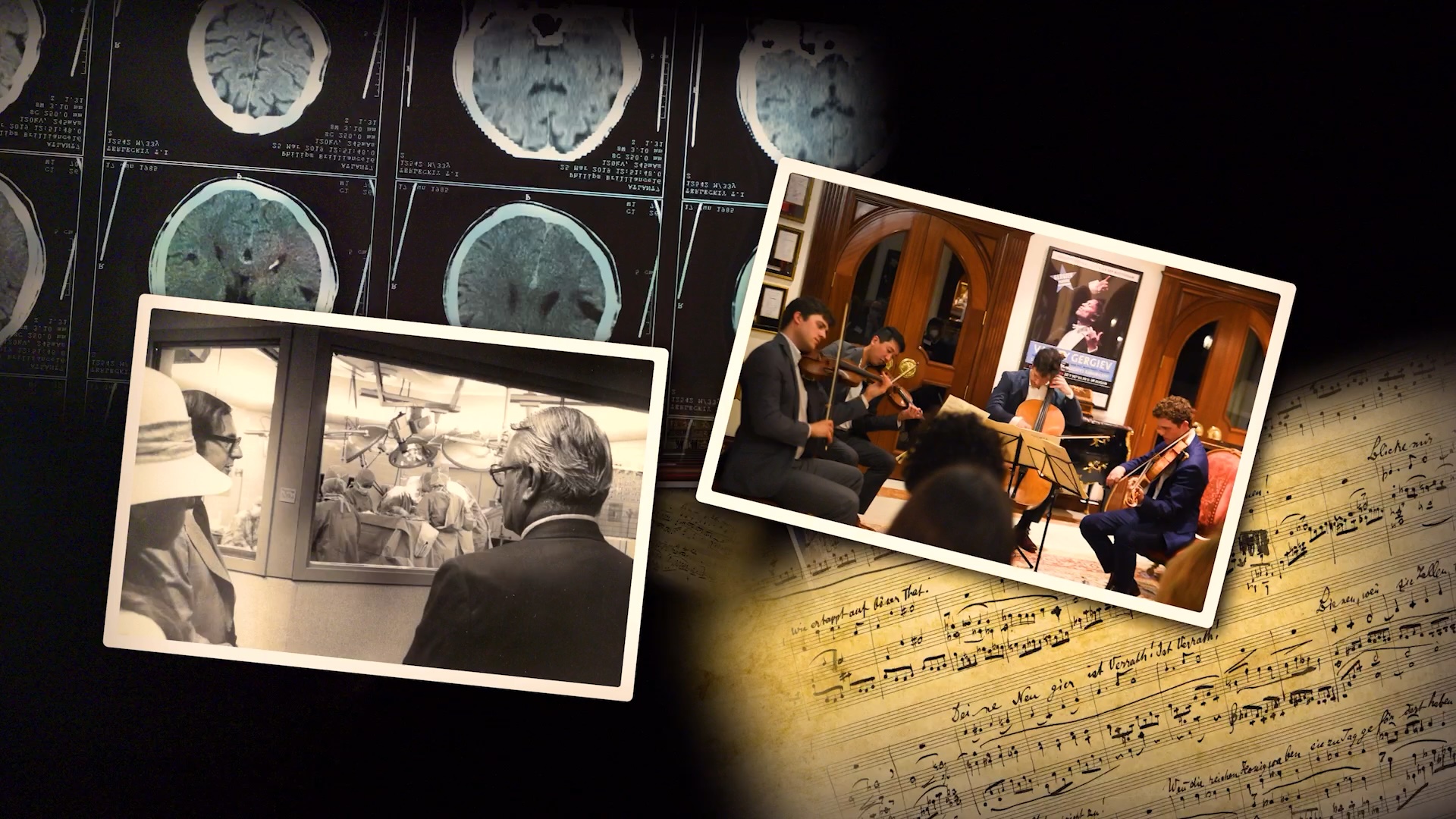
Key moments, transformative gifts, and defining choices that built the Foundation—from Dr. Pearce’s earliest philanthropy through the work underway today
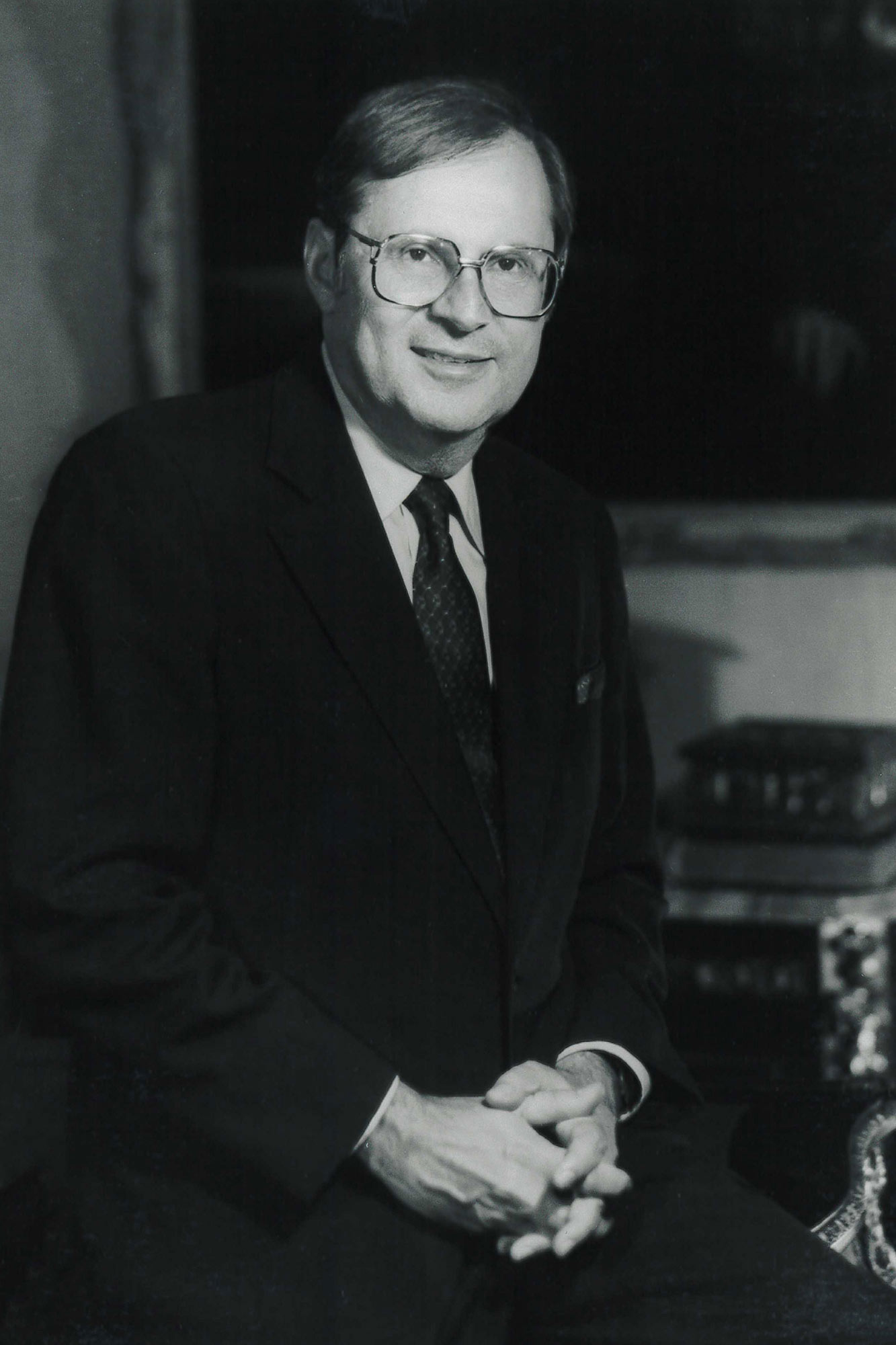
Following his landmark proxy battle at Southeast Bank defending shareholder rights, Dr. M. Lee Pearce established The Dr. M. Lee Pearce Foundation to advance his philanthropic vision across medicine, classical music and opera.

Dr. Pearce is appointed to the Harvard Medical School Board of Fellows. He serves as an engaged advisor and champion of medical research and education in this capacity for more than two decades until his passing.

Having supported the University of Miami across multiple disciplines since 1970, Dr. Pearce directed significant new resources to the School of Music. The funding established permanent support for the strings, opera, and orchestral departments, while ensuring students participation in the prestigious Salzburg Summer Program.
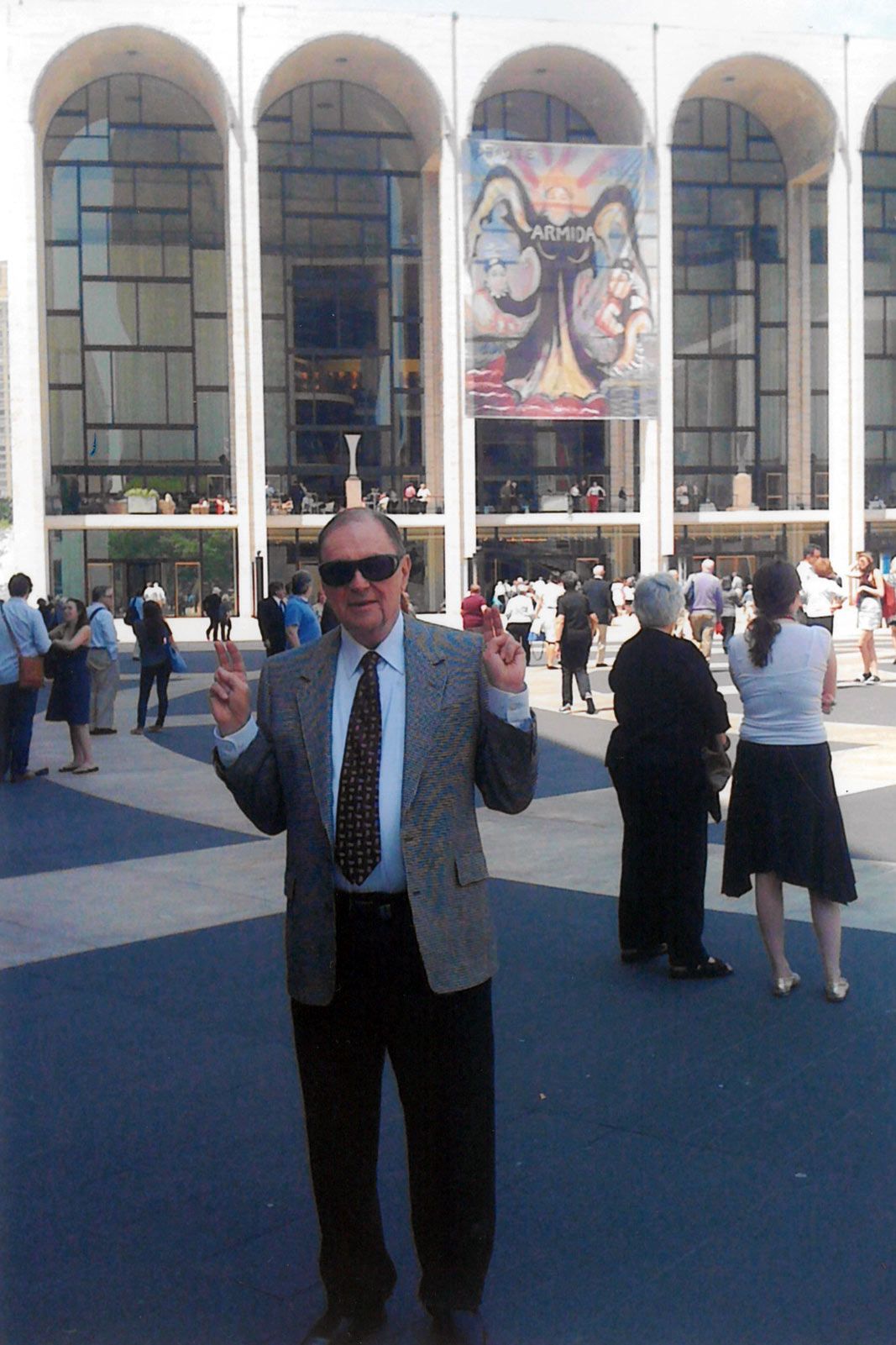
Deepening his commitment to world-class opera, Dr. Pearce is elected to the Board of Directors of The Metropolitan Opera. He served as an Advisory Director (2001–2008), Managing Director (2008–2012), and Honorary Director until his death.
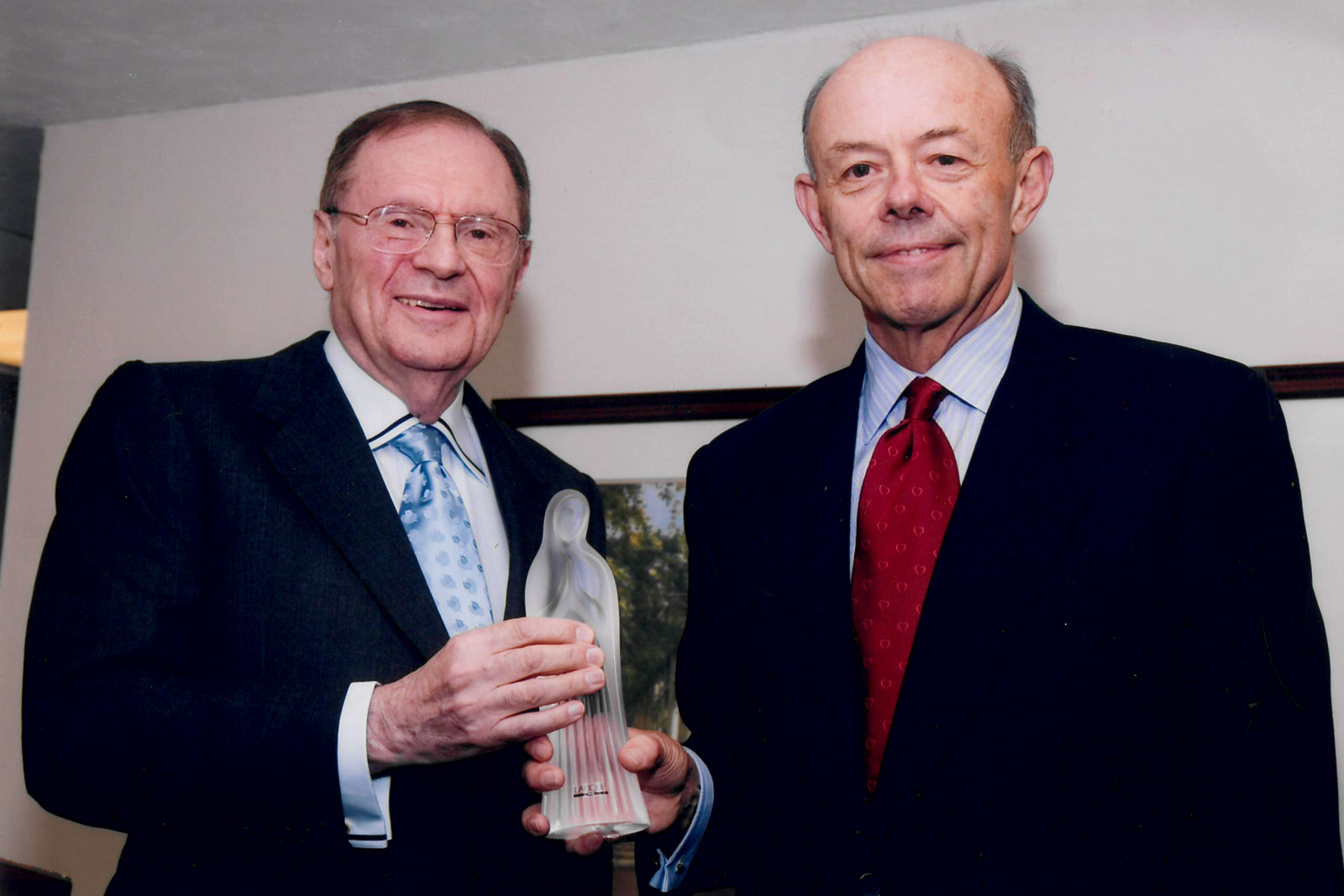
Dr. Pearce makes a visionary $20 million gift to Holy Cross Hospital in Fort Lauderdale, significantly enhancing the regional medical center's clinical care capacity and facilities.
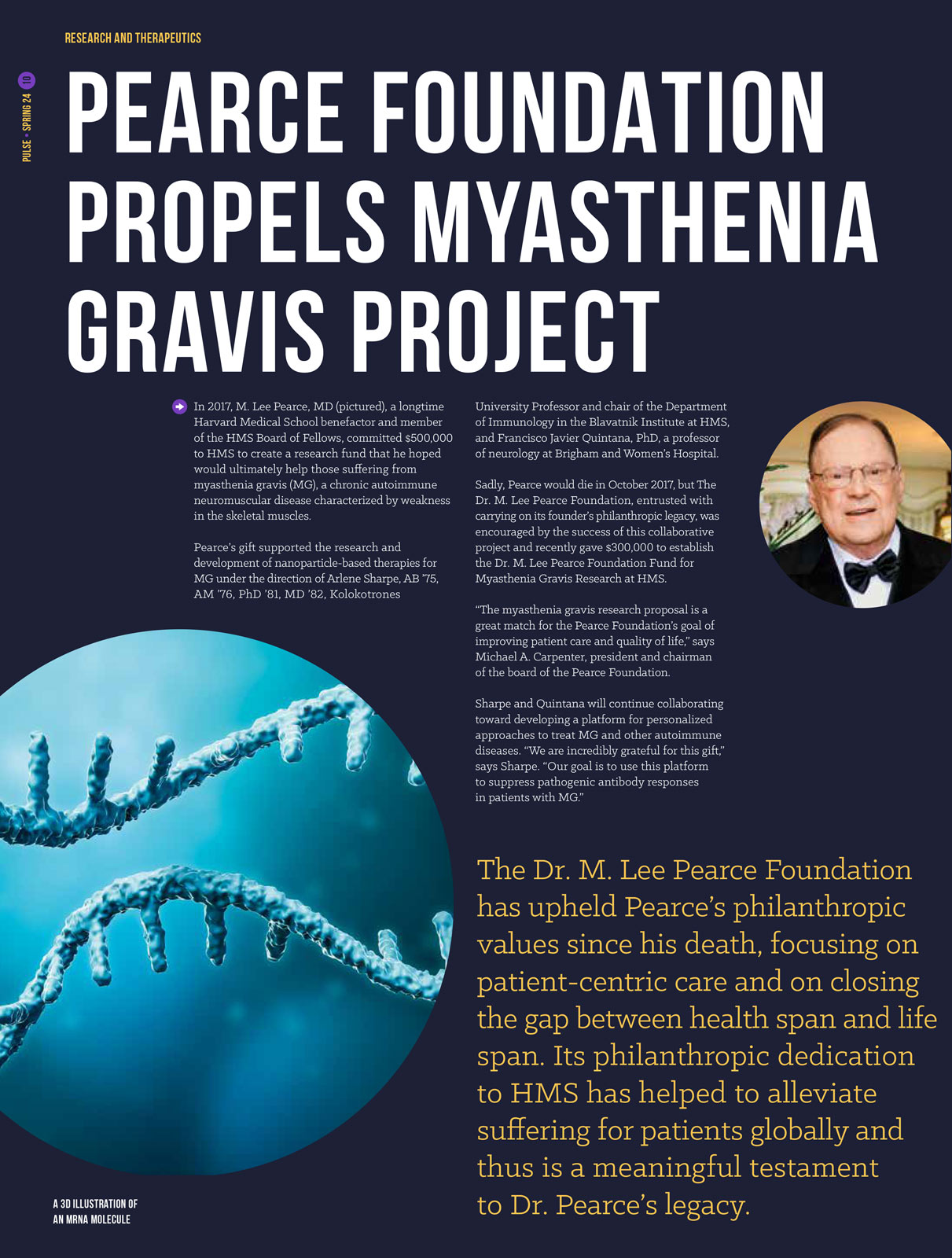
In his final gift to Harvard Medical School, Dr. Pearce directed $500,000 toward research on myasthenia gravis, a rare neuromuscular disease with which he personally battled.
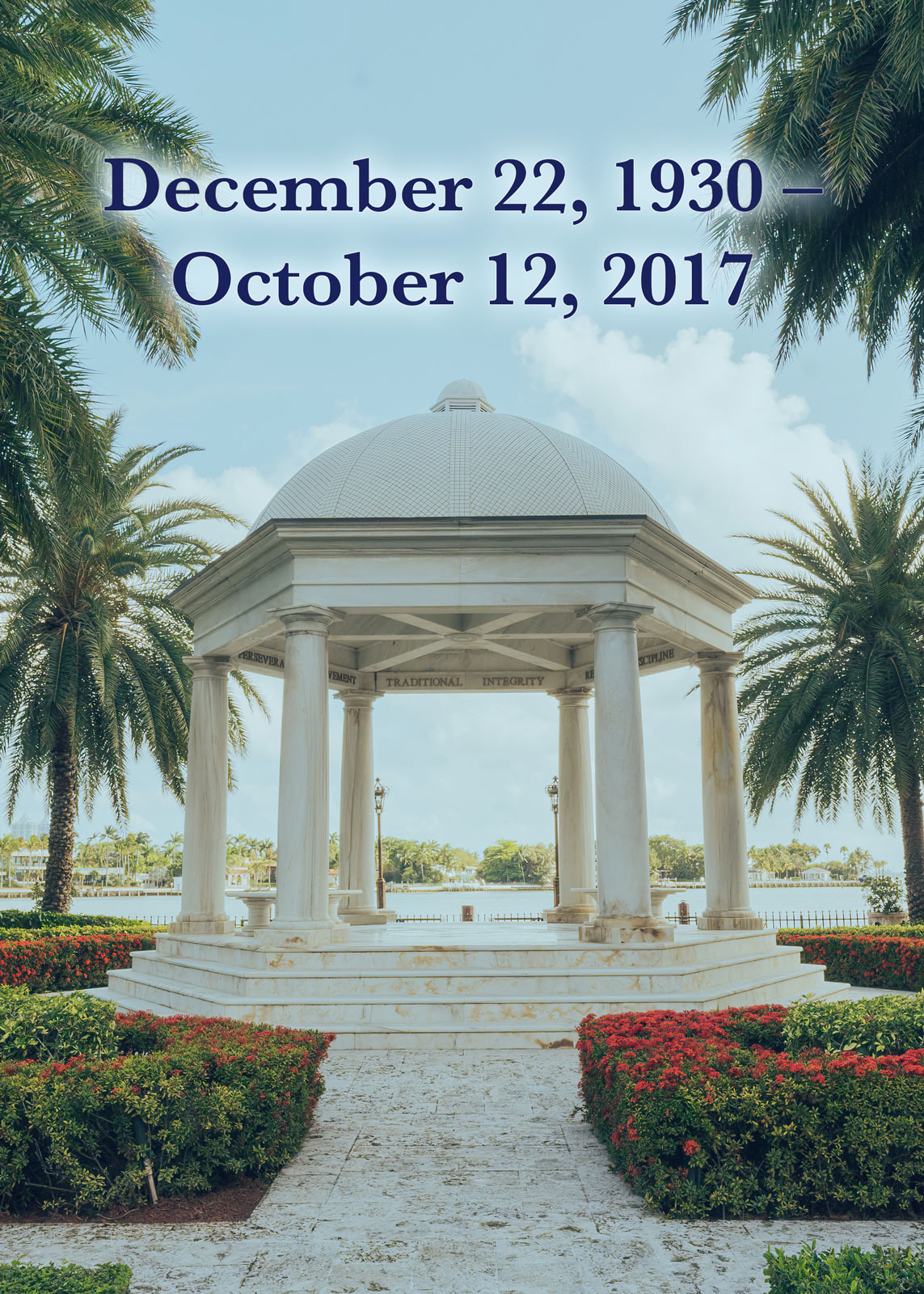
Marking a lifetime of giving that surpassed $50 million, Dr. Pearce passed away entrusting the Foundation’s future to an independent Board of Directors. This new governing body brought together trusted colleagues of Dr. Pearce and distinguished leaders in medicine, music, finance, and law to guide the next era of grantmaking.

Under the leadership of the Board of Directors, the Foundation sharpened its philanthropic focus. The Board continued relationships previously established by Dr. Pearce while beginning to explore new areas to make an impact.
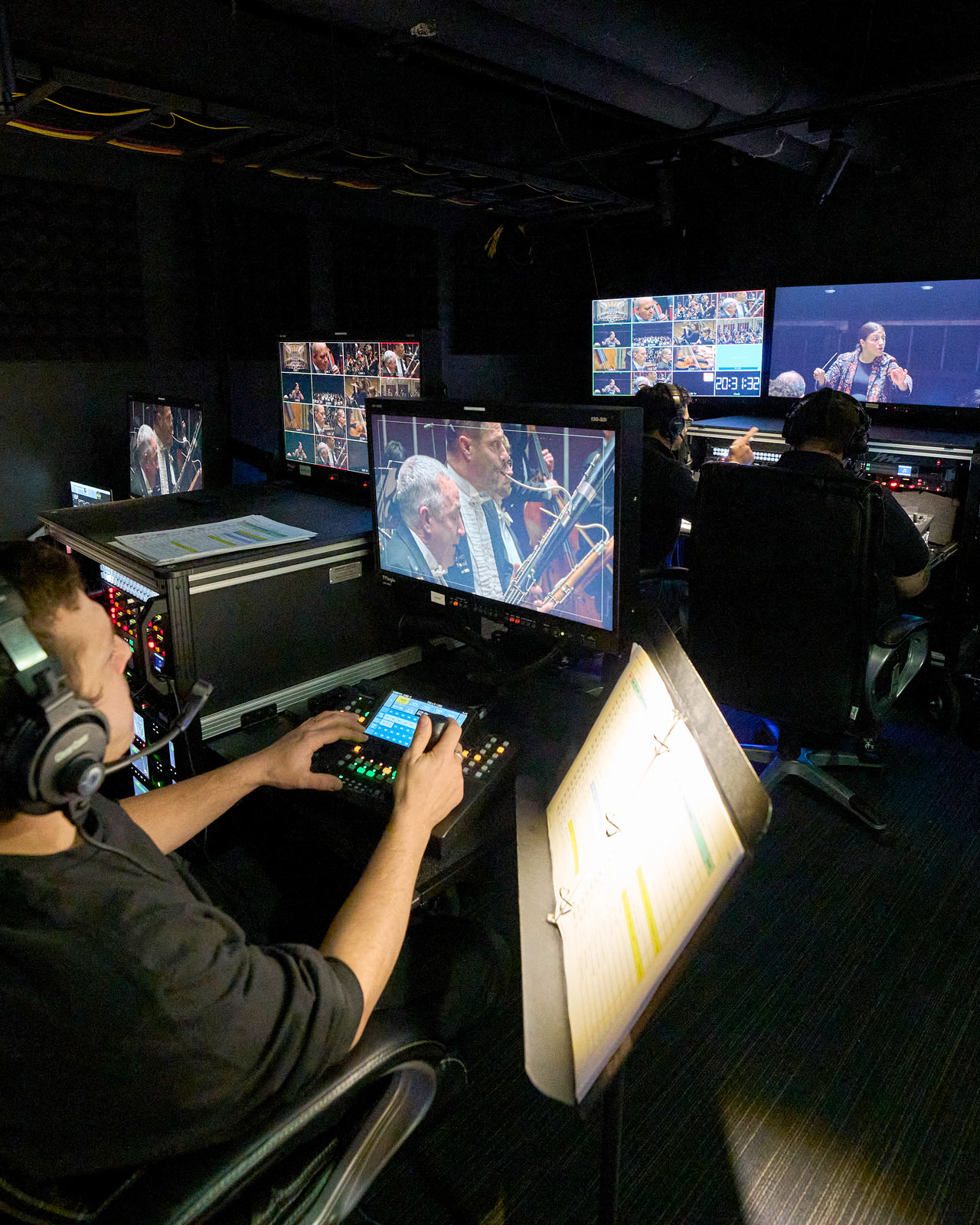
When the pandemic shuttered performance halls, the Foundation focused on digital broadcasts and youth education, sponsoring programs like The Cleveland Orchestra’s Adella digital platform and The Metropolitan Opera’s HD Live in Schools—keeping world-class music accessible and bringing virtual arts education directly to students.

Driven by its dual mission in medicine and music, the Foundation began supporting a pioneering collaboration between the University of Miami Frost School of the Music and the Miller School of Medicine Department of Neurology. The grant paired brain scientists and music therapists to explore how targeted musical interventions impact memory retrieval in older adults with cognitive decline.

With the sale of Dr. Pearce’s La Gorce Island estate setting a Miami-Dade record, the Foundation’s assets significantly expanded from $20 million to over $200 million.

New funding is marked by multi-year grants to Harvard Medical School’s Q-FASTR program—accelerating medical research into patient care—and New World Symphony’s WALLCAST® series, expanding access through live outdoor broadcasts.

Expanding its commitment to medical research at Mayo Clinic, the Foundation pledged $5 million over five years to accelerate promising discoveries and translate high-impact research into patient care. The Foundation also established the Dr. M. Lee Pearce Foundation Prize, presented in conjunction with Mayo Clinic’s Distinguished Inventor Award.

The Foundation established the Dr. M. Lee Pearce Foundation Neurology Research Accelerator Fund at the University of Miami. Open to all UM researchers, the multi-year award speeds discoveries in aging and brain health from the lab to patients. In music, new support began for Link Up, Carnegie Hall’s longest-running music education program, expanding access to hands-on music learning, teacher resources, and participatory performances for grades 3–5.
Dr. Pearce came from a very humble background, and through hard work, persistence, and genius, he became very successful. If you look at his academic achievements, his business ventures, and his philanthropy, they were all grounded in his incessant pursuit of excellence."